Trying to find a quality preschool can feel a bit like solving a puzzle—fitting nap schedules, snacks, safety, caring teachers, and learning styles together into one magical place. Add “STEM-focused” to the list and it might seem even more overwhelming, but it doesn’t have to be. Knowing what separates a quality preschool from an average one can help you confidently choose an environment where your child will learn, grow, and thrive.
A quality preschool isn’t simply preparing children for kindergarten—it helps them become curious, confident problem-solvers who love learning. STEM-based education takes that even further by encouraging children to ask questions, explore, experiment, and discover the world around them through hands-on experiences.
Why a Quality Preschool Matters
The preschool years are some of the most important years of brain development. During this time, children are building critical thinking skills, language, social-emotional development, creativity, and independence.
A quality preschool creates an environment where children feel safe to explore, make mistakes, and discover new ideas. Instead of memorizing information, children learn how to think, communicate, and solve problems—skills they’ll use for the rest of their lives.
If you’re searching for a STEM-focused preschool, here are five qualities every quality preschool should have.
Quality Preschool Feature #1: Hands-On, Inquiry-Based Learning
One of the biggest signs of a quality preschool is that learning is active—not passive.
STEM education isn’t about worksheets or sitting quietly for long periods. Instead, children learn by asking questions, making predictions, testing ideas, and discovering answers through play.
If you walk into a classroom and see preschoolers wearing safety goggles while mixing baking soda and vinegar, building towers from recycled materials, or testing which objects float, you’re probably looking at a program that values genuine exploration.
A little controlled chaos is often a sign that meaningful learning is taking place.
What to Look For
- Science experiments
- Building activities
- Sensory exploration
- Open-ended materials
- Teachers encouraging children to ask “Why?” and “What if?”
Quality Preschool Feature #2: Passionate, Highly Trained Teachers
The teachers are the heart of every quality preschool.
Great STEM educators can turn almost anything into a learning opportunity. A puddle becomes a weather lesson. A stack of blocks becomes an engineering challenge. A butterfly becomes a biology discussion.
When touring a preschool, ask how teachers receive ongoing professional development and how STEM concepts are naturally incorporated throughout the day.
A quality preschool also understands child development, ensuring activities are age-appropriate while still challenging young minds to think creatively.
Questions to Ask During Your Tour
- How do teachers introduce STEM concepts?
- What professional development do teachers receive?
- How do teachers encourage curiosity?
- How are different learning styles supported?
H2: How a Quality Preschool Integrates STEM Throughout the Day
A quality preschool doesn’t simply place a science table in the corner and call it STEM.
Instead, STEM is woven into every part of the curriculum.
During story time, children predict what will happen next.
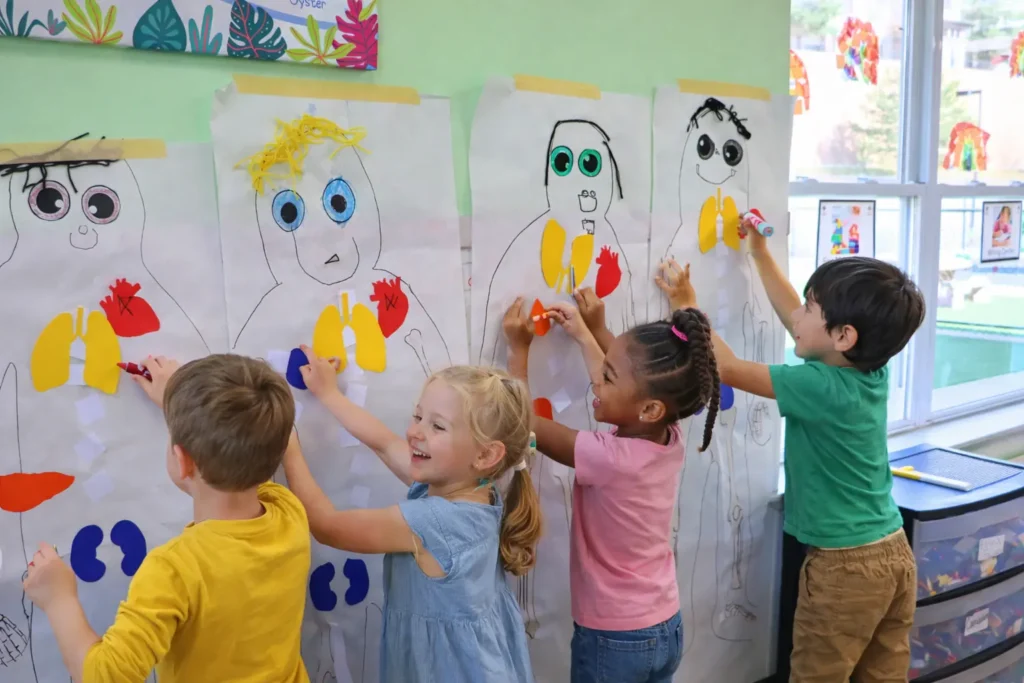
During art, they explore colors, patterns, and design.
Outside, they observe insects, weather, and plants.
During building time, they learn about balance, measurement, and engineering.
This integrated approach helps children naturally connect ideas while making learning exciting and meaningful.
Everyday STEM Learning May Include
- Counting ingredients while cooking
- Measuring plants in the garden
- Building ramps for toy cars
- Sorting natural objects outdoors
- Exploring magnets, gears, and simple machines
Quality Preschool Feature #4: Safe, Engaging Learning Environments
A quality preschool should feel welcoming the moment you walk through the doors.
The classrooms should be thoughtfully designed to encourage exploration while maintaining structure and safety.
Look for spaces that include:
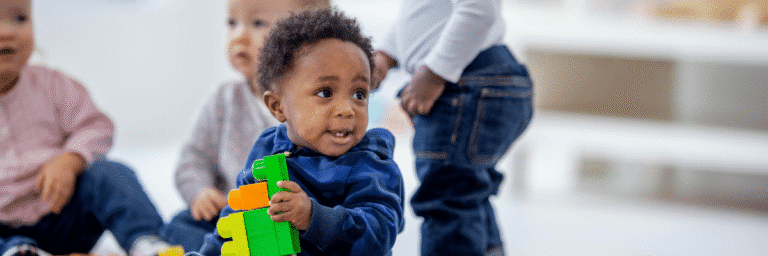
- Building blocks
- Magnetic tiles
- Loose parts
- Nature collections
- Art supplies
- Sensory materials
- Reading corners
- STEM discovery centers
Children should have opportunities to make choices, explore independently, collaborate with classmates, and develop confidence through play.
A quality preschool balances freedom with routines so children always feel secure while trying new things.
Quality Preschool Feature #5: Strong Parent Communication
Parents should feel like partners in their child’s education.
A quality preschool keeps families informed and connected through consistent communication.
Whether it’s daily updates through Brightwheel, photos of classroom activities, learning summaries, or conversations during pickup, strong communication helps parents celebrate milestones and reinforce learning at home.
Ask prospective schools:
- How often are classroom updates shared?
- Will I receive photos throughout the day?
- How do teachers communicate concerns?
- How are parents involved in classroom learning?
The best schools don’t simply care for children—they build relationships with the entire family.
Why STEM Learning Gives Children an Advantage
A STEM-focused quality preschool teaches much more than science and math.
Children develop:
- Critical thinking
- Creativity
- Communication skills
- Collaboration
- Confidence
- Problem-solving abilities
- Curiosity
- Independence
These are the same lifelong skills that help children succeed in kindergarten, elementary school, and beyond.
Choosing the Right Quality Preschool for Your Family
Every preschool will look a little different, but the best programs share common qualities: caring teachers, engaging classrooms, meaningful communication, and hands-on learning that inspires curiosity every day.
At STEM Child Care, we believe children learn best by doing. Our classrooms encourage exploration, creativity, problem-solving, and joyful discovery in a safe, nurturing environment designed specifically for young learners.
With the right quality preschool, your child won’t just prepare for kindergarten—they’ll develop confidence, curiosity, and a lifelong love of learning.
And let’s be honest: seeing your little scientist proudly holding up a beaker full of fizzy rainbow goo is pretty unforgettable.
Frequently Asked Questions
What makes a quality preschool different?
A quality preschool provides caring teachers, a safe environment, intentional curriculum, strong communication with families, and hands-on learning opportunities that support every area of child development.
Why is STEM important in preschool?
STEM encourages children to ask questions, solve problems, think creatively, and explore the world around them. These skills build confidence and prepare children for future learning.
How do I know if a preschool is right for my child?
Schedule a tour and observe the classroom. Look for engaged children, positive teacher interactions, organized learning spaces, and opportunities for hands-on exploration.
Should preschool focus on academics?
A quality preschool balances academics with play-based learning. Young children learn best through meaningful experiences, exploration, and social interaction.
What questions should I ask during a preschool tour?
Ask about teacher qualifications, curriculum, daily schedules, parent communication, classroom ratios, safety procedures, and how children learn through play.