Sensory Play for Preschoolers: Why It Matters for Early Learning and Development
Sensory play for preschoolers is much more than a fun way to pass the time—it’s one of the most important ways young children learn about the world around them. At STEM Child Care, we know the preschool years are a critical time for brain development, and hands-on sensory experiences help children build the skills they’ll use throughout their lives. Whether your child is squishing playdough, pouring water, digging in the sandbox, or exploring nature outdoors, they’re developing far more than their imagination. They’re strengthening their brains, bodies, language, and confidence through purposeful play.
While sensory play may look like simple fun, every scoop, squeeze, splash, and discovery helps build the foundation for lifelong learning.
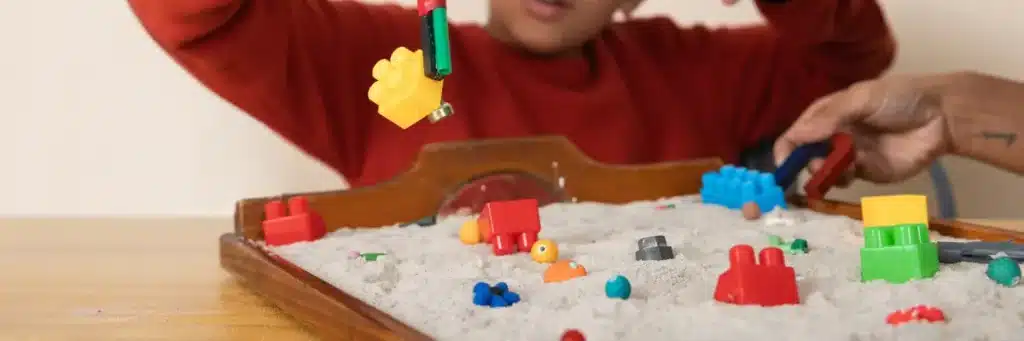
What Is Sensory Play for Preschoolers?
Sensory play for preschoolers includes any activity that stimulates one or more of a child’s senses.
These include:
- Touch
- Sight
- Hearing
- Smell
- Taste
- Movement (vestibular sense)
- Body awareness (proprioception)
Children naturally learn through their senses. Every new texture, sound, smell, or movement helps them better understand how the world works.
Simple activities like pouring water, digging in dirt, finger painting, or exploring a sensory bin become valuable learning opportunities that support every area of development.
At STEM Child Care, we intentionally include sensory experiences throughout each day because we know children learn best when they can touch, explore, question, and experiment.
Why Sensory Play for Preschoolers Is So Important
The benefits of sensory play for preschoolers extend far beyond keeping little hands busy. Research continues to show that sensory-rich experiences support healthy brain development while strengthening cognitive, physical, social, and emotional skills.
Here are some of the biggest benefits.
Sensory Play Boosts Brain Development
One of the greatest benefits of sensory play for preschoolers is how it supports early brain development.
Every sensory experience helps create and strengthen neural pathways in a child’s brain. These pathways improve the brain’s ability to process information, solve problems, remember new concepts, and make connections between ideas.
As children repeat sensory activities, these connections become even stronger, laying the groundwork for future academic success.
Sensory experiences also encourage:
- Memory development
- Critical thinking
- Concentration
- Attention span
- Early scientific observation
The more opportunities children have to explore, the more their brains grow.
Builds Fine and Gross Motor Skills
Many sensory activities naturally strengthen the muscles children need for everyday tasks.
When children:
- Scoop sand
- Pour water
- Roll playdough
- Pinch beads
- Spray water bottles
- Dig with shovels
they’re developing the fine motor control needed for writing, cutting with scissors, buttoning clothes, tying shoes, and other self-care skills.
Larger sensory activities like balancing on logs, climbing playground equipment, carrying buckets of water, or jumping through puddles also strengthen gross motor development and coordination.
Encourages Language and Communication
Another wonderful benefit of sensory play for preschoolers is vocabulary development.
Sensory experiences naturally inspire conversation.
Children begin using descriptive words like:
- Smooth
- Sticky
- Cold
- Squishy
- Rough
- Heavy
- Soft
- Slippery
Teachers can further expand language by asking open-ended questions such as:
- What does it feel like?
- What do you think will happen?
- Why do you think that happened?
- Can you describe what you notice?
At STEM Child Care, our teachers intentionally model rich vocabulary throughout sensory activities, helping children strengthen communication skills while having fun.
Supports Social and Emotional Development
Many parents are surprised to learn that sensory play for preschoolers also supports emotional well-being.
Sensory activities can have a naturally calming effect, helping children:
- Self-regulate emotions
- Reduce anxiety
- Practice patience
- Build confidence
- Transition between activities
Many children find activities like kinetic sand, water play, rice bins, or playdough especially soothing after busy mornings.
Group sensory experiences also encourage children to:
- Share materials
- Take turns
- Cooperate
- Solve conflicts
- Work together
These social skills become important building blocks for kindergarten success.
Encourages Curiosity and Problem-Solving
Children are born scientists.
Every sensory activity becomes an opportunity to test ideas and discover something new.
During sensory play for preschoolers, children naturally begin asking questions like:
- Why did that sink?
- Why does this float?
- What happens if I add more water?
- Can I build it taller?
- What happens when the colors mix?
These simple questions introduce scientific thinking long before children ever step into an elementary classroom.
Rather than giving children the answers, sensory play encourages them to discover answers on their own.
How STEM Child Care Uses Sensory Play Every Day
At STEM Child Care, sensory play for preschoolers isn’t an occasional activity—it’s woven into our daily curriculum.
Our classrooms include hands-on learning experiences that encourage exploration, creativity, and problem-solving through purposeful play.
Children regularly explore:
- Water tables
- Sand tables
- Playdough
- Kinetic sand
- Sensory bins
- Nature collections
- Loose parts
- Building materials
- Art exploration
- Science experiments
Outside, our preschoolers extend sensory learning into nature.
Our outdoor experiences include:
- Mud kitchens
- Nature scavenger hunts
- Gardening
- Water exploration
- Collecting leaves and rocks
- Observing insects
- Seasonal sensory activities
Rather than directing every step, our teachers carefully prepare engaging materials while allowing children to take the lead through open-ended exploration.
This balance between intentional teaching and child-led discovery creates meaningful learning experiences every day.
Easy Sensory Play Activities to Try at Home
Parents don’t need expensive toys to enjoy sensory play for preschoolers at home.
Many of the best activities use simple household items.
Try:
Rice or Pasta Sensory Bins
Hide small toys inside dry rice or pasta for children to discover using scoops, cups, and spoons.
Water Play
Use measuring cups, funnels, toy animals, or floating objects to encourage pouring, comparing, and experimenting.
Homemade Playdough
Rolling, pinching, flattening, and creating shapes strengthens hand muscles while encouraging creativity.
Finger Painting
Children explore color mixing, texture, and artistic expression all at once.
Cooking Together
Measuring flour, stirring ingredients, kneading dough, and smelling herbs create wonderful sensory learning opportunities.
Nature Walks
Collect leaves, pinecones, rocks, flowers, and sticks while encouraging children to notice different colors, textures, smells, and sounds.
The goal isn’t perfection.
The goal is exploration.
Allow your child to ask questions, make discoveries, and describe what they’re experiencing.
Why Sensory Play Matters for Kindergarten Readiness
One of the greatest advantages of sensory play for preschoolers is how naturally it prepares children for kindergarten.
Through sensory experiences, children develop:
- Fine motor skills for writing
- Listening skills
- Problem-solving abilities
- Communication skills
- Confidence
- Emotional regulation
- Early science understanding
- Early math concepts
- Attention span
- Creativity
Instead of simply memorizing information, children become curious learners who enjoy asking questions and discovering new ideas.
Those habits often become lifelong strengths.
Give Your Child the Gift of Hands-On Learning
At STEM Child Care, we believe children learn best when they can explore the world with all of their senses.
Every squish of playdough, scoop of sand, splash of water, and outdoor adventure becomes an opportunity to strengthen growing minds and bodies.
Our sensory-rich classrooms encourage curiosity, creativity, problem-solving, and joyful learning every single day.
If you’re looking for a preschool where learning is hands-on, engaging, and developmentally appropriate, we’d love to meet your family.
Schedule a tour today and discover how sensory play helps children learn, grow, and thrive.
📞 303-927-7408
Frequently Asked Questions
What is sensory play for preschoolers?
Sensory play for preschoolers includes activities that stimulate a child’s senses through touch, sight, hearing, smell, taste, movement, and body awareness. Examples include water play, playdough, sensory bins, finger painting, and nature exploration.
Why is sensory play important in preschool?
Sensory play supports brain development, strengthens motor skills, builds language, encourages social-emotional growth, and develops early problem-solving abilities through hands-on exploration.
What are easy sensory activities to do at home?
Simple ideas include rice bins, water tables, homemade playdough, finger painting, baking together, gardening, and nature walks. Everyday household items can become meaningful sensory learning experiences.
Does sensory play help with kindergarten readiness?
Yes. Sensory play strengthens fine motor skills, communication, emotional regulation, attention span, early math, and scientific thinking—all important skills for kindergarten success.
How often should preschoolers participate in sensory play?
Children benefit from sensory experiences every day. Even 15–30 minutes of purposeful sensory play can support healthy development while encouraging curiosity and creativity.